Ultra-processed and packaged foods often slip into daily routines almost unnoticed. A bowl of breakfast cereal, biscuits with evening tea, a mid-day packaged snack, flavoured yogurt, fruit juice and a bottle of ketchup or ready dressing can quickly add up. While occasional consumption is rarely a major concern, relying on these items regularly can crowd out more nourishing options and make balanced eating harder to sustain.
Complete dietary overhauls rarely last. A more practical approach is to identify the packaged foods that appear most frequently and replace them with simpler alternatives that fit existing habits. Dubai- and Delhi-based culinary nutrition and holistic wellness coach Eshanka Wahi recommends six straightforward swaps that reduce ultra-processed foods without demanding elaborate cooking or rigid rules.
1. Rethink Breakfast Cereals
Packaged breakfast cereals are convenient, especially on busy mornings, yet many are high in added sugars and refined ingredients. A simple alternative is oats prepared with milk and topped with nuts and seeds. The combination is filling, requires minimal time and provides steady energy.
Vegetable poha with peanuts is another accessible option that needs little preparation and brings in vegetables and protein. The goal is not to create an elaborate morning meal but to replace one regularly eaten packaged product with a less processed version that still feels easy and familiar.
2. Upgrade the Tea-Time Snack
For many people, tea time automatically includes biscuits or other packaged snacks. The habit is often more about routine than genuine hunger. Keeping roasted chana, makhana (fox nuts), fresh fruit or a small handful of nuts ready makes a healthier default easy to reach for.
Homemade chivda can satisfy the desire for something savoury. Importantly, the recommendation is not to eliminate biscuits entirely. The more sustainable aim is to reduce how often packaged snacks become the everyday choice, so that the default gradually shifts toward simpler foods.
3. Build on Instant Noodles Instead of Relying on Them Alone
Instant noodles remain a common solution on tired evenings when cooking feels difficult. Rather than discarding them, the suggestion is to treat them as a base and add other ingredients. Vegetables, an egg, tofu or paneer can turn a one-dimensional packet meal into something more balanced and satisfying.
This approach respects the need for convenience while improving the nutritional profile of the meal. As Wahi notes, the focus is less on giving up enjoyed foods and more on what can be added and how the food appears in the overall diet.
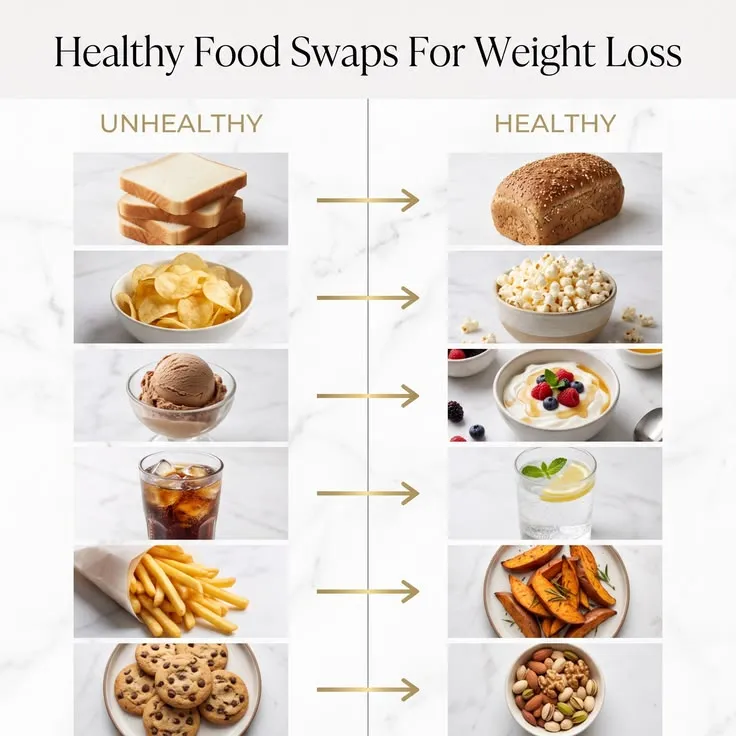
4. Choose Plain Curd Over Flavoured Yogurt
Flavoured yogurts often appear healthy but can contain substantial added sugar. Plain curd or yogurt is a simpler alternative. It can be eaten as is, paired with fruit and nuts for natural sweetness and texture, or included alongside a regular meal.
The swap requires almost no extra effort yet removes a frequent source of unnecessary additives and sugars. It also keeps the familiar comfort of a dairy-based snack or side.
5. Prefer Whole Fruit to Packaged Juice
Packaged fruit juices are an easy morning or anytime drink, but they typically lack the fibre present in whole fruit and can be high in free sugars. When whole fruit is available, eating an orange, guava, apple or papaya is usually the better everyday choice.
Whole fruit takes little preparation and provides fibre that supports satiety and steadier blood-sugar responses. Making juice an occasional option rather than the default way of consuming fruit is a small change that is easy to maintain.
6. Flavour Meals Without Relying on Packaged Sauces
Ketchup, bottled dips and ready salad dressings are often used in small amounts and therefore overlooked. When they appear daily, however, they contribute to overall intake of ultra-processed ingredients. Simple homemade alternatives can provide flavour without the same level of processing.
Mint-coriander chutney, spiced curd, a squeeze of lemon and fresh or dried herbs can season meals effectively. These options keep flavour high while reducing dependence on commercial sauces.
Why Small, Repeatable Changes Work Better
Wahi emphasises that people often attempt to change everything at once and then struggle to continue. A more effective strategy is to introduce one or two swaps that fit naturally into the day. Once those become routine, attention can turn to the next easy improvement.
This gradual method lowers the sense of deprivation and increases the likelihood that new habits will stick. It also recognises that packaged foods will not disappear from modern life. The useful goal is to reduce their dominance in everyday eating rather than pursue perfection.
Building a More Balanced Pattern
Reducing ultra-processed foods does not require cooking every meal from scratch or removing every packaged item from the kitchen. It begins with noticing which products appear most often and choosing simpler replacements that still feel convenient and enjoyable.
Starting with breakfast, tea-time snacks, noodle meals, yogurt, fruit and everyday sauces offers clear entry points. Each swap is modest on its own. Together, they can meaningfully shift the balance of the diet toward less processed foods while remaining realistic for busy lives.
Sustainable change rarely comes from drastic rules. It comes from practical adjustments that people can repeat without constant effort. These six swaps are designed with exactly that principle in mind.
Read more – huggymonster.com