Cooking dinner at home does not require advanced skills or complicated techniques. Many satisfying meals rely on a handful of ingredients, basic methods, and a bit of organization. For beginners, the key is choosing approaches that build confidence while delivering flavor and nutrition. Simple dinners centered on familiar proteins, vegetables, and pantry staples can become reliable weeknight solutions and a foundation for more creative cooking later.
Why Simple Dinners Work Well for Beginners
Easy meals reduce the chance of overwhelm. Short ingredient lists limit shopping and prep time. Straightforward techniques—boiling, roasting, sautéing, or combining ingredients in one pan—allow new cooks to focus on timing and seasoning rather than complex steps. Success with basic dishes creates momentum and makes the kitchen feel less intimidating. Over time, these same methods can be adapted with different seasonings, vegetables, or proteins.
Core Principles for Beginner Success
Start with recipes or ideas that use common ingredients most households already keep or can easily find. Read through the steps before beginning so the sequence is clear. Prepare ingredients in advance by washing, chopping, and measuring what is needed. This practice, often called mise en place, keeps the cooking process smoother. Taste as you go and adjust salt, acid, or spices gradually. Keep the stove at moderate heat to avoid burning, and use timers to prevent overcooking.
One-pan or one-pot methods minimize cleanup, which is especially helpful after a long day. Sheet-pan meals, skillet dinners, and simple boiled or steamed combinations all fit this approach.
Pasta-Based Dinners
Pasta is one of the most forgiving starting points. Boil the pasta according to package directions while preparing a simple sauce or toppings. A basic tomato sauce simmered with garlic and olive oil, or a combination of sautéed vegetables and a protein such as chicken, beans, or canned tuna, creates a complete meal. Adding a handful of spinach or other greens near the end boosts nutrition without extra effort. Pasta dishes come together relatively quickly and scale easily for one person or a family.
Sheet-Pan and Roasted Meals
Roasting requires little active attention. Arrange vegetables such as broccoli, carrots, potatoes, or bell peppers on a baking sheet with a protein—chicken pieces, fish fillets, tofu, or sausages. Coat lightly with oil, season with salt, pepper, and preferred herbs or spices, then roast until cooked through. The oven handles most of the work. Different vegetables and proteins can be rotated to keep meals interesting while using the same basic method.
Skillet and Stir-Fry Style Meals
A single large skillet or frying pan can produce many dinners. Cook a protein first, set it aside if needed, then sauté vegetables. Combine everything with a simple sauce made from pantry items such as soy sauce, broth, garlic, or a spoonful of existing condiments. Serving the mixture over rice, quinoa, or another cooked grain turns it into a balanced plate. These meals cook quickly once ingredients are prepared and allow flexibility with whatever vegetables are on hand.
Egg-Based and Breakfast-for-Dinner Options
Eggs are inexpensive, fast-cooking, and nutritious. An omelet or scrambled eggs with vegetables and cheese, a simple frittata finished in the oven, or fried eggs served with toast and a side salad make satisfying dinners. These options are especially useful when time or energy is limited. Pairing eggs with beans, potatoes, or leftover vegetables increases substance.
Soups, Stews, and One-Pot Combinations
Many soups begin with sautéing onion and garlic, adding vegetables, a protein or beans, and broth, then simmering until everything is tender. Lentil or bean-based soups are particularly straightforward and economical. Chili-style dishes follow a similar pattern and often taste even better the next day. These meals require mostly passive cooking time and produce leftovers that simplify future dinners.
Building Balanced Plates
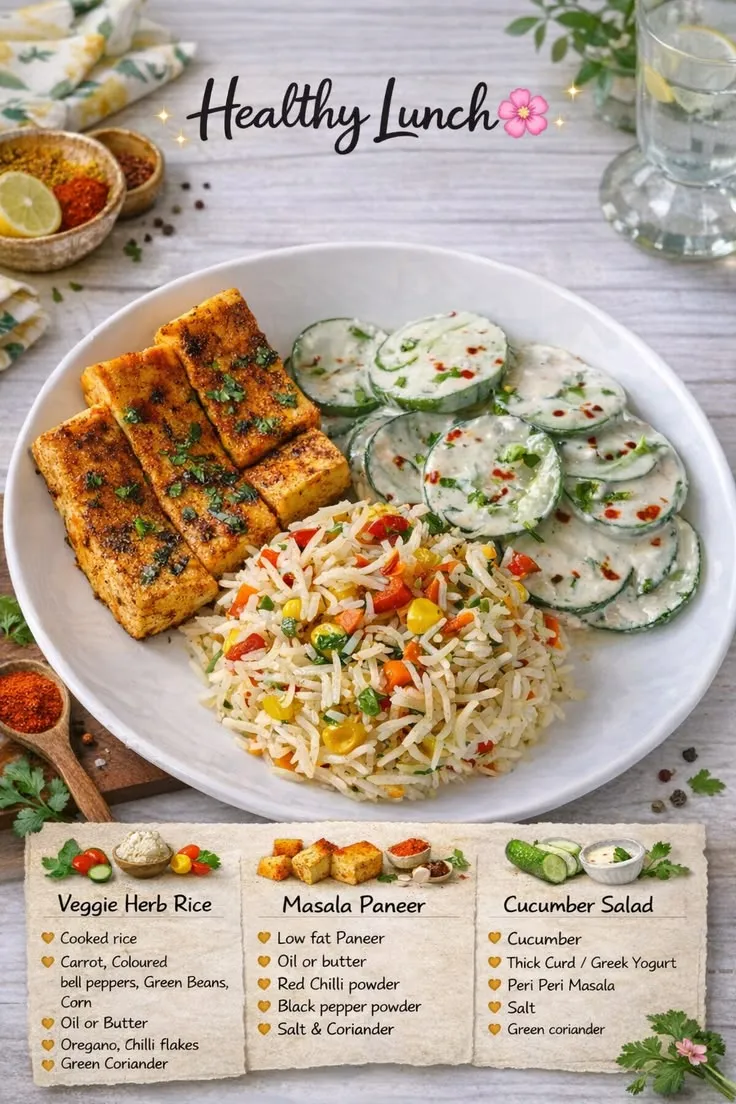
A practical framework for any simple dinner is to include a protein source, one or more vegetables, and a carbohydrate if desired. Protein options include chicken, fish, eggs, beans, lentils, tofu, or yogurt-based sides. Vegetables can be fresh, frozen, or pre-cut to save time. Carbohydrates such as rice, pasta, potatoes, or bread round out the meal. This structure helps ensure the dinner feels complete without needing elaborate recipes.
Time-Saving Habits
Keep a small stock of reliable pantry items: pasta, rice, canned tomatoes or beans, onions, garlic, oil, and basic seasonings. Frozen vegetables are convenient and nutritious. Pre-washed greens or pre-cut vegetables reduce prep on busy evenings. Cooking extra grains or proteins on less hectic days provides ready components for faster meals later in the week.
Cleaning as you go—washing cutting boards and utensils while food cooks—keeps the kitchen manageable and makes the end of the meal more pleasant.
Building Confidence Gradually
Begin with the simplest versions of these ideas and master the basic techniques. Once comfortable, experiment with new seasonings, different vegetable combinations, or slight variations in method. Mistakes are part of learning; even imperfect meals provide experience and often still taste good. Keeping notes on what worked well helps refine future attempts.
Enjoying the Process
Home-cooked dinners offer control over ingredients, portion sizes, and flavors. They can be more economical than frequent takeout and often more satisfying. For beginners, the aim is not restaurant perfection but reliable, enjoyable meals that fit real schedules and skill levels. By focusing on straightforward methods—pasta dishes, sheet-pan roasts, skillet combinations, egg meals, and simple soups—anyone can prepare nourishing dinners with confidence.
Consistent practice turns these basic approaches into a personal repertoire. Over time, cooking becomes less of a chore and more of a practical, rewarding part of daily life. Starting simple is the most effective way to build lasting skills and enjoy good food at home.
Read more – thewhipp.com