Business risk management is an essential process that helps organizations identify, analyze, and prepare for potential challenges that could affect their operations, finances, reputation, or long-term growth. Every business, regardless of its size or industry, faces risks that can create uncertainty and impact success.
From financial problems and market changes to cybersecurity threats and operational failures, unexpected events can disrupt business activities. Effective risk management allows businesses to understand possible threats and create strategies to reduce their impact.
For beginners, understanding business risk management is the first step toward building a stronger and more resilient organization. It is not about eliminating every risk but about preparing for challenges and making informed decisions that support business stability.
What Is Business Risk Management?
Business risk management is the process of identifying, evaluating, and controlling risks that may affect a company’s goals and operations. It involves creating plans and strategies to reduce the chances of problems and minimize damage when unexpected situations occur.
A risk can be any event or condition that creates uncertainty for a business. Some risks may affect daily operations, while others can influence long-term growth and profitability.
A successful risk management approach helps businesses become more prepared, flexible, and capable of handling difficult situations.
Why Business Risk Management Is Important
Every business operates in an environment where changes and uncertainties are unavoidable. Customer preferences, economic conditions, technology, regulations, and competition can create new challenges at any time.
Without proper risk management, businesses may face financial losses, operational disruptions, customer dissatisfaction, or damage to their reputation.
Risk management is important because it helps businesses:
Understand potential threats before they become serious problems.
Make better strategic decisions with proper planning.
Protect financial resources and business assets.
Improve operational efficiency and stability.
Build confidence among customers, employees, and stakeholders.
Businesses that actively manage risks are better prepared to adapt to changing circumstances and maintain long-term growth.
Different Types of Business Risks
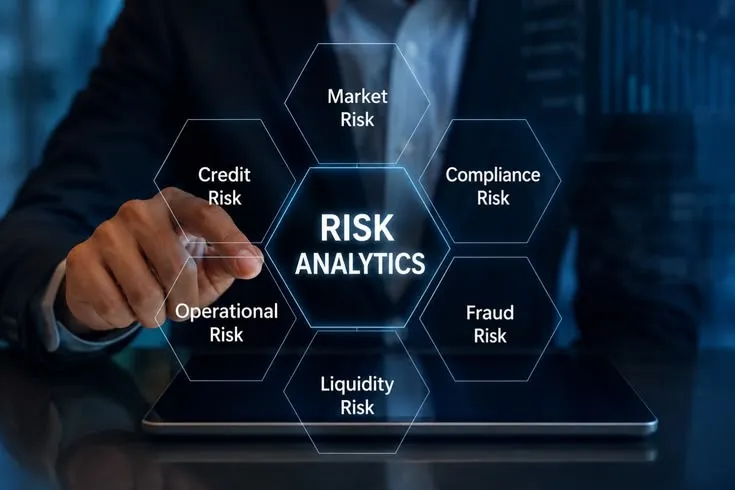
Understanding different types of risks is an important part of business risk management. Companies face various risks depending on their industry, size, and business model.
Financial Risks
Financial risks involve situations that can negatively affect a company’s income, cash flow, or financial stability. These risks may include increasing costs, unexpected expenses, poor financial planning, or changes in market conditions.
Managing financial risks requires careful budgeting, maintaining healthy cash flow, monitoring expenses, and creating financial plans for uncertain situations.
Businesses should regularly review their financial performance and prepare strategies to handle possible economic challenges.
Operational Risks
Operational risks are related to the daily activities and internal processes of a business. These risks can occur due to equipment failures, supply chain issues, employee mistakes, inefficient processes, or system problems.
Strong operational planning, employee training, quality control, and backup systems can help reduce operational risks.
A business with efficient operations can respond more effectively when disruptions occur.
Market Risks
Market risks arise from changes in customer demand, competition, industry trends, or economic conditions. Businesses must continuously monitor market developments to understand potential challenges.
Changes in consumer behavior or new competitors entering the market can affect sales and profitability.
Companies can manage market risks by conducting research, understanding customer needs, and adapting their products or services according to changing conditions.
Cybersecurity Risks
As businesses become more dependent on digital technology, cybersecurity risks have become increasingly important. Data breaches, hacking attempts, and technology failures can affect business operations and customer trust.
Businesses can reduce cybersecurity risks by using secure systems, protecting sensitive information, training employees, and regularly updating security practices.
A strong cybersecurity strategy helps protect valuable business and customer data.
Legal and Compliance Risks
Legal risks occur when businesses fail to follow required laws, regulations, or industry standards. Compliance problems can result in penalties, financial losses, or reputation damage.
Businesses should understand the regulations related to their industry and maintain proper documentation and policies.
Regular compliance reviews help organizations identify potential legal issues before they become major problems.
Steps Involved in Business Risk Management
Step 1: Identify Potential Risks
The first step in risk management is identifying possible threats that may affect the business. This involves analyzing internal operations and external factors that could create problems.
Businesses can identify risks by reviewing past experiences, studying industry trends, collecting employee feedback, and evaluating business processes.
A clear understanding of possible risks creates a strong foundation for effective planning.
Step 2: Analyze and Evaluate Risks
After identifying risks, businesses need to evaluate their possible impact and likelihood. Some risks may have minor effects, while others can seriously affect business operations.
Risk analysis helps companies prioritize which risks require immediate attention and which ones can be monitored over time.
Understanding the severity of risks allows businesses to allocate resources more effectively.
Step 3: Develop Risk Management Strategies
Once risks are evaluated, businesses should create strategies to manage them. Risk management strategies may include avoiding certain risks, reducing their impact, transferring responsibility, or creating backup plans.
For example, businesses may use insurance, improve security systems, diversify suppliers, or create emergency response plans.
The right strategy depends on the type of risk and the specific needs of the business.
Step 4: Monitor and Review Risks
Risk management is an ongoing process. New risks can appear as businesses grow and market conditions change.
Regular monitoring helps companies identify new challenges and update their strategies accordingly.
Businesses should review their risk management plans periodically to ensure they remain effective and relevant.
Creating a Risk Management Plan
A risk management plan is a structured document that explains how a business will identify and handle potential risks. It provides guidance for employees and decision-makers during uncertain situations.
A strong risk management plan usually includes information about possible risks, their potential impact, prevention strategies, emergency procedures, and responsibilities of team members.
Having a clear plan helps businesses respond quickly and reduce confusion during challenging situations.
The Role of Employees in Risk Management
Employees play an important role in protecting businesses from risks. Since employees are involved in daily operations, they can identify potential problems and suggest improvements.
Organizations should provide proper training to help employees understand risk management practices, security procedures, and emergency responses.
Creating a workplace culture where employees are aware of risks improves overall business protection.
How Technology Supports Business Risk Management
Technology has made risk management more efficient by providing tools for monitoring, analyzing, and responding to threats.
Businesses use digital systems to track financial performance, protect data, automate processes, and identify potential problems.
Advanced technologies such as artificial intelligence and data analytics can help organizations predict risks and make better decisions.
However, businesses must also manage technology-related risks by maintaining security and updating their systems regularly.
Common Risk Management Mistakes Businesses Should Avoid
Many businesses make mistakes when handling risks. One common mistake is ignoring potential problems until they become serious.
Another mistake is focusing only on immediate challenges while ignoring long-term risks. Businesses should consider both current and future threats.
Failing to update risk management plans is another common issue. As businesses change, their risks also change, making regular reviews necessary.
Benefits of Effective Business Risk Management
A strong risk management approach provides several benefits for businesses. It improves decision-making, protects resources, and increases confidence during uncertain situations.
Effective risk management also helps businesses maintain customer trust, improve operational performance, and create long-term stability.
Companies that prepare for risks are more likely to recover quickly from unexpected challenges and continue growing.
Frequently Asked Questions (FAQs)
What is the purpose of business risk management?
The purpose of business risk management is to identify potential threats, reduce their impact, and help businesses make better decisions during uncertain situations.
Is risk management only important for large companies?
No, risk management is important for businesses of all sizes. Small businesses can also face financial, operational, legal, and market-related risks.
How often should a business review its risk management plan?
Businesses should review their risk management plans regularly, especially when there are major changes in operations, technology, regulations, or market conditions.
Conclusion
Business risk management is a crucial process for protecting companies from unexpected challenges and ensuring long-term success. By identifying risks, analyzing their impact, and creating effective strategies, businesses can improve their ability to handle uncertainty.
For beginners, developing a risk management mindset is an important step toward building a stronger business. Risks cannot always be avoided, but proper planning and preparation can reduce their impact.
A business that understands its risks and prepares for the future can make smarter decisions, protect valuable resources, and create sustainable growth in an increasingly competitive environment.