Quality sleep forms the foundation of physical health, mental clarity, and overall well-being. Yet many people struggle to achieve consistent, restorative rest despite recognizing its importance. Developing an effective evening routine signals the body to wind down, preparing for deeper, more refreshing sleep. This comprehensive guide presents practical, science-supported strategies to create evening habits that promote relaxation and improve sleep quality naturally.
Understanding the Importance of Evening Routines for Sleep
The transition from daily activities to restful sleep does not occur instantly. The body’s internal clock, regulated by circadian rhythms, responds to environmental cues like light, temperature, and routine behaviors. Consistent evening practices help align these rhythms, reducing the time needed to fall asleep and enhancing sleep depth. Poor wind-down habits, such as late screen exposure or stimulating activities, disrupt melatonin production and elevate stress hormones, leading to fragmented rest.
Research consistently shows that structured bedtime routines improve sleep efficiency, duration, and quality. Adults aiming for seven to nine hours of sleep benefit most from starting preparation one to two hours before bed. This dedicated time allows physiological and psychological systems to shift from active to restorative modes, resulting in fewer nighttime awakenings and more energized mornings.
Step 1: Establish a Consistent Sleep Schedule
Going to bed and waking at roughly the same times daily, even on weekends, strengthens circadian rhythms. Choose a realistic bedtime that allows sufficient sleep duration and stick to it. Consistency trains the body to anticipate rest, making it easier to fall asleep naturally.
Avoid large variations in schedule that confuse internal clocks. If adjustments become necessary, make them gradually over several days. This practice regulates hormones like melatonin and cortisol, promoting smoother transitions into sleep stages, including deep restorative phases essential for physical recovery and memory consolidation.
Step 2: Create a Relaxing Pre-Bedtime Wind-Down Period
Reserve the final 60 to 90 minutes before bed for calming activities. Dim household lights to encourage melatonin release. Engage in low-stimulation pursuits such as reading physical books, gentle stretching, or listening to soothing music. These behaviors create psychological associations between the routine and rest.
Progressive muscle relaxation or deep breathing exercises release physical tension accumulated during the day. Journaling to offload thoughts or creating simple to-do lists for the next day prevents bedtime rumination. Avoid intense discussions or work-related tasks that elevate mental arousal. The goal involves signaling safety and comfort to the nervous system.
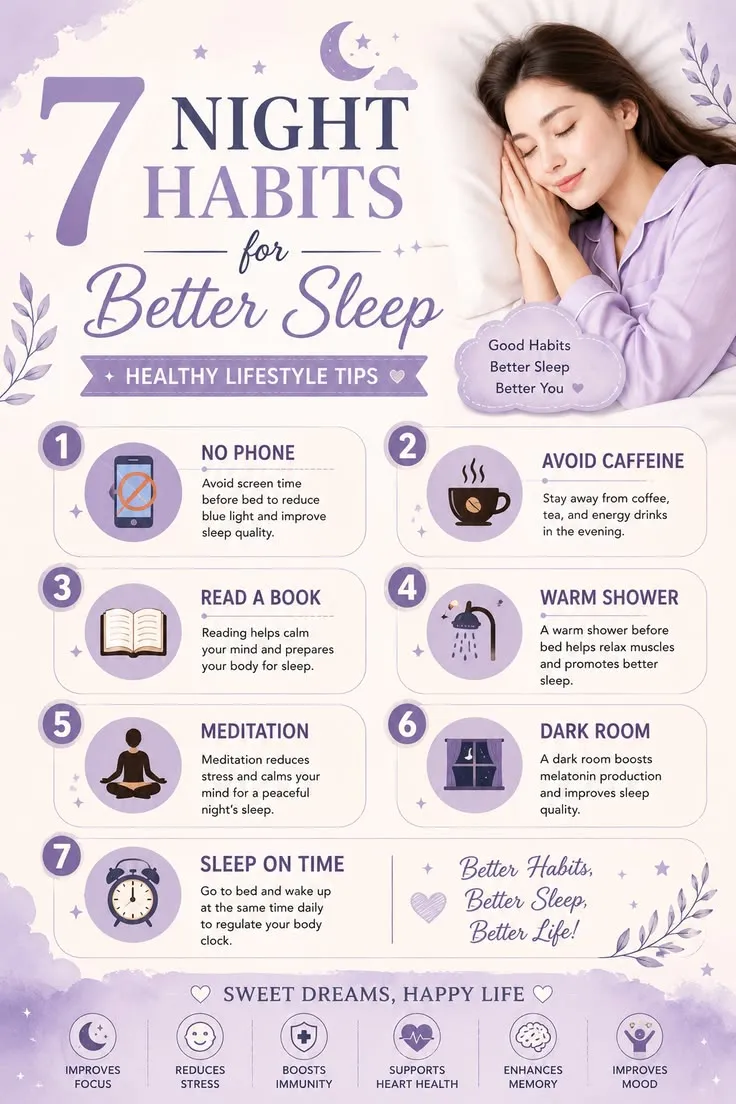
Step 3: Optimize Your Evening Environment and Habits
Transform the bedroom into a sleep sanctuary. Maintain cool temperatures around 60-67°F (15-19°C), as slight drops in core body temperature facilitate sleep onset. Ensure darkness using blackout curtains and minimize noise through white noise machines or earplugs if necessary. Reserve the bed primarily for sleep and intimacy to strengthen mental associations.
Limit screen exposure at least one hour before bed. Blue light from devices suppresses melatonin and stimulates alertness. If reading electronically becomes necessary, use night mode settings or blue-light blocking glasses. Replace scrolling with analog alternatives that promote relaxation without overstimulation.
Step 4: Mind Your Evening Nutrition and Hydration
Evening dietary choices significantly influence sleep quality. Avoid heavy meals close to bedtime, as digestion can cause discomfort and fragmented rest. Opt for light snacks combining complex carbohydrates and proteins if hunger arises, such as a small handful of nuts with fruit. Certain foods naturally support sleep through nutrient profiles that aid relaxation.
Reduce caffeine intake after early afternoon, as its effects can linger for hours. Alcohol might induce initial drowsiness but often leads to middle-of-the-night awakenings and reduced sleep quality. Stay adequately hydrated throughout the day but taper fluids in the evening to minimize nighttime bathroom trips. Herbal teas like chamomile offer gentle calming properties without disrupting sleep architecture.
Step 5: Incorporate Gentle Physical Activity and Temperature Regulation
Moderate evening movement, such as a leisurely walk or yoga session, promotes better sleep by reducing stress and regulating body temperature. Avoid vigorous exercise within two to three hours of bedtime, as elevated heart rates and adrenaline can interfere with winding down.
A warm bath or shower taken 60-90 minutes before bed leverages the body’s natural cooling response afterward, facilitating faster sleep onset. Light stretching releases muscle tension while promoting mindfulness. These practices contribute to overall physical comfort conducive to uninterrupted rest.
Step 6: Manage Stress and Mental Stimulation
Evening stress management prevents racing thoughts that delay sleep. Mindfulness meditation, guided relaxation apps, or simple breathing techniques activate the parasympathetic nervous system responsible for rest and recovery. Cognitive behavioral strategies for insomnia, including structured worry time earlier in the evening, prove effective for chronic sleep concerns.
Maintain a clutter-free, organized sleeping space that feels calming rather than chaotic. Soft lighting, comfortable bedding, and pleasant scents like lavender can enhance the sensory experience of bedtime. Consistency in these elements reinforces positive sleep associations over time.
Common Pitfalls and How to Avoid Them
Many struggle with inconsistent routines or reliance on screens for relaxation. Counter this by preparing the environment earlier and having analog alternatives ready. Napping too late or too long during the day can reduce nighttime sleep drive—limit to early afternoon and under 30 minutes if needed.
Alcohol and nicotine act as sleep disruptors despite initial sedative effects. Prescription medications or supplements should be discussed with healthcare providers, as some affect sleep architecture. Track sleep patterns for several weeks to identify personal triggers and refine routines accordingly.
Long-Term Benefits of a Solid Evening Routine
Consistent practices yield compounding improvements. Better sleep enhances cognitive function, emotional regulation, immune response, and metabolic health. Over weeks and months, individuals often report increased daytime energy, improved mood stability, and greater resilience to stress.
Children and families benefit when shared evening routines establish healthy patterns early. Partners supporting each other’s wind-down habits strengthen relationships while improving collective rest quality. The investment in evening structure returns dividends across all life domains.
Conclusion: Building Your Path to Restful Nights
Crafting an effective evening routine requires attention to schedule consistency, environmental optimization, nutritional awareness, gentle movement, and stress management. These interconnected practices work synergistically to prepare both body and mind for restorative sleep. Begin with small, sustainable changes rather than overhauling everything simultaneously. Track improvements in sleep quality and daytime functioning to maintain motivation.
Quality rest represents one of the most powerful investments in health and performance. By implementing these evidence-based strategies, anyone can transform evenings from sources of restlessness into gateways for rejuvenation. Prioritize sleep as the foundation supporting all other wellness goals, and experience the profound difference consistent, intentional evening habits create in daily life.
Read more – amherstdelivery.com