In today’s digital world, breaking news can reach millions of people within seconds. Unlike traditional news systems that depended mainly on newspapers, television broadcasts, and radio, modern news distribution relies heavily on the internet, social media platforms, mobile applications, and digital communication networks.
When an important event happens, information can travel across the world almost instantly through online channels. News organizations, journalists, social media users, and digital platforms all play a role in spreading information and shaping how people understand current events.
However, the speed of online news also creates challenges. The risk of misinformation, incomplete reporting, and rapidly spreading false information has increased. Understanding how breaking news spreads online helps people become more informed consumers of digital information.
The Evolution of News Distribution
News distribution has changed significantly over time. Traditional media followed a slower process where journalists collected information, editors reviewed reports, and news was published through scheduled broadcasts or printed editions.
The internet transformed this process by allowing continuous updates throughout the day. Digital news platforms can publish stories immediately, update information in real time, and reach audiences across different locations.
Today, news is no longer controlled only by traditional media organizations. Individuals, communities, and digital platforms also contribute to the way information spreads.
How Breaking News Begins Online
Breaking news usually begins when an event occurs and information becomes available through various sources.
Journalists may receive information from reporters at the location, official statements, eyewitness accounts, public records, or verified digital sources.
Once initial details are collected, news organizations evaluate the information before publishing updates. The first reports may contain limited information because events are still developing.
As more details become available, news stories are updated with additional facts, expert opinions, images, and videos.
Role of Digital News Organizations
Digital news organizations are one of the primary sources responsible for spreading breaking news.
These organizations have professional journalists, editors, and verification processes to collect and publish information quickly.
Online news websites can update stories instantly instead of waiting for the next newspaper edition or scheduled television broadcast.
Many digital news platforms also provide live updates, notifications, and multimedia content to help audiences follow developing events.
Their ability to combine speed with journalistic standards makes them a major part of modern news distribution.
The Impact of Social Media on Breaking News
Social media platforms have dramatically changed how news spreads.
People often share information about events before traditional news organizations publish official reports. Photos, videos, and personal experiences can quickly attract attention and reach large audiences.
Social media allows users to participate in discussions, share opinions, and provide real-time updates from different locations.
However, because anyone can share information online, not all content is accurate or verified. False information can spread quickly if users share posts without checking reliability.
Social media has increased the speed of news distribution while creating a greater need for responsible information sharing.
The Role of Mobile Technology
Mobile devices have made news access faster and more convenient.
Smartphones allow people to receive breaking news alerts, access digital news platforms, and follow live updates from almost anywhere.
News applications send notifications about important events, allowing users to stay informed without actively searching for information.
Mobile technology has changed audience behavior because people now expect immediate access to updates.
The combination of smartphones and internet connectivity has made news available anytime and anywhere.
How Search Engines Help Spread News
Search engines play an important role in connecting people with breaking news.
When major events occur, people often search for updates, explanations, and background information.
Search engines organize available information and help users discover relevant news articles, reports, and discussions.
News organizations optimize digital content so that audiences can find important updates easily.
Search technology has become an essential part of how people discover and consume online information.
News Sharing Through Messaging Platforms
Messaging applications have also become important channels for digital news distribution.
People frequently share news articles, videos, and updates through private conversations and community groups.
This allows information to reach specific audiences quickly, especially during emergencies or important events.
However, private sharing can also contribute to the spread of misinformation because content may circulate without proper verification.
Users should confirm information before forwarding it to others.
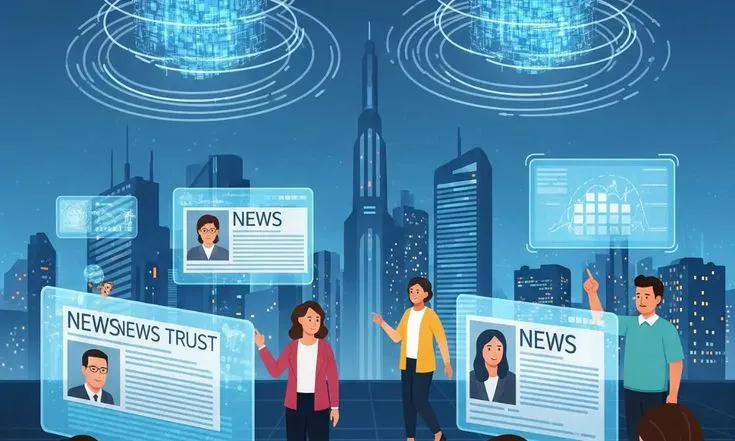
The Importance of News Verification
Speed is important in breaking news, but accuracy is equally essential.
Journalists and news organizations follow verification practices to confirm facts before publishing information.
Verification may involve checking official statements, confirming sources, reviewing evidence, and comparing information from multiple channels.
In the digital environment, verification helps prevent incorrect information from spreading widely.
Readers also play an important role by checking the reliability of sources before believing or sharing news.
How Algorithms Influence News Visibility
Digital platforms use algorithms to determine what content users see.
These algorithms consider factors such as user interests, engagement levels, and content popularity.
As a result, some news stories can become widely visible within a short time because many people interact with them.
While algorithms help users discover relevant information, they can also create challenges if misleading content receives high engagement.
Understanding how digital systems influence visibility helps users become more aware of their online information environment.
The Role of Videos and Visual Content
Visual content has become a powerful element of online news distribution.
Images, live videos, and short clips can communicate information quickly and attract audience attention.
During breaking events, eyewitness videos often provide immediate views of what is happening.
However, visual content must also be verified because old or unrelated images can sometimes be shared as current events.
Responsible use of visual media improves understanding while reducing confusion.
Challenges of Fast Online News Distribution
Although online news provides speed and accessibility, it also creates several challenges.
One major challenge is misinformation. False reports can spread rapidly before accurate information becomes available.
Another challenge is incomplete reporting. Early updates may change as more facts are discovered.
The pressure to publish quickly can sometimes affect the depth and accuracy of reporting.
Digital audiences must understand that breaking news develops over time and that early information may not represent the complete picture.
How Audiences Can Consume Breaking News Responsibly
Readers can improve their digital news habits by following reliable sources, checking multiple reports, and avoiding immediate sharing of unverified information.
It is important to distinguish between confirmed facts, opinions, and speculation.
Responsible news consumption helps reduce misinformation and supports better understanding of important events.
Taking a few moments to verify information can make a significant difference in the quality of online discussions.
The Future of Digital News Distribution
The future of online news will continue to be shaped by technology.
Artificial intelligence, automated reporting tools, personalized news systems, and advanced verification methods are expected to influence how information is created and distributed.
At the same time, the importance of professional journalism and human judgment will remain essential.
Future news systems will likely focus on balancing speed, accuracy, personalization, and trust.
Frequently Asked Questions (FAQs)
How does breaking news spread so quickly online?
Breaking news spreads quickly through digital news platforms, social media, mobile notifications, search engines, and online sharing networks.
Why can online breaking news sometimes contain mistakes?
Early reports may contain incomplete information because events are still developing. More accurate details usually become available as verification continues.
How can people identify reliable online news?
People should check trusted sources, compare information from multiple reports, and avoid sharing content that has not been verified.
Conclusion
Breaking news distribution has become faster and more connected because of digital technology. Online platforms, social media, mobile devices, and search engines allow information to reach global audiences within moments.
However, speed must be balanced with accuracy and responsibility. While digital news provides valuable access to real-time information, users must carefully evaluate sources and avoid spreading unverified content.
As technology continues to develop, the future of news distribution will depend on creating systems that deliver information quickly while maintaining trust, accuracy, and journalistic responsibility. Understanding how breaking news spreads online helps people navigate the modern digital information landscape more effectively.