Quality of life encompasses physical health, emotional well-being, relationships, and a sense of purpose. In a fast-paced world full of stressors, small intentional changes can lead to significant improvements in happiness and fulfillment. Improving quality of life doesn’t require drastic overhauls—consistent, evidence-based habits create compounding benefits over time.
This guide outlines actionable strategies across key areas: physical health, mental resilience, social connections, and daily routines. These simple shifts, supported by research on well-being, help build a more balanced and joyful life. Start with one or two areas that resonate most, and gradually integrate others for sustainable progress.
Prioritize Physical Health Through Movement and Nutrition
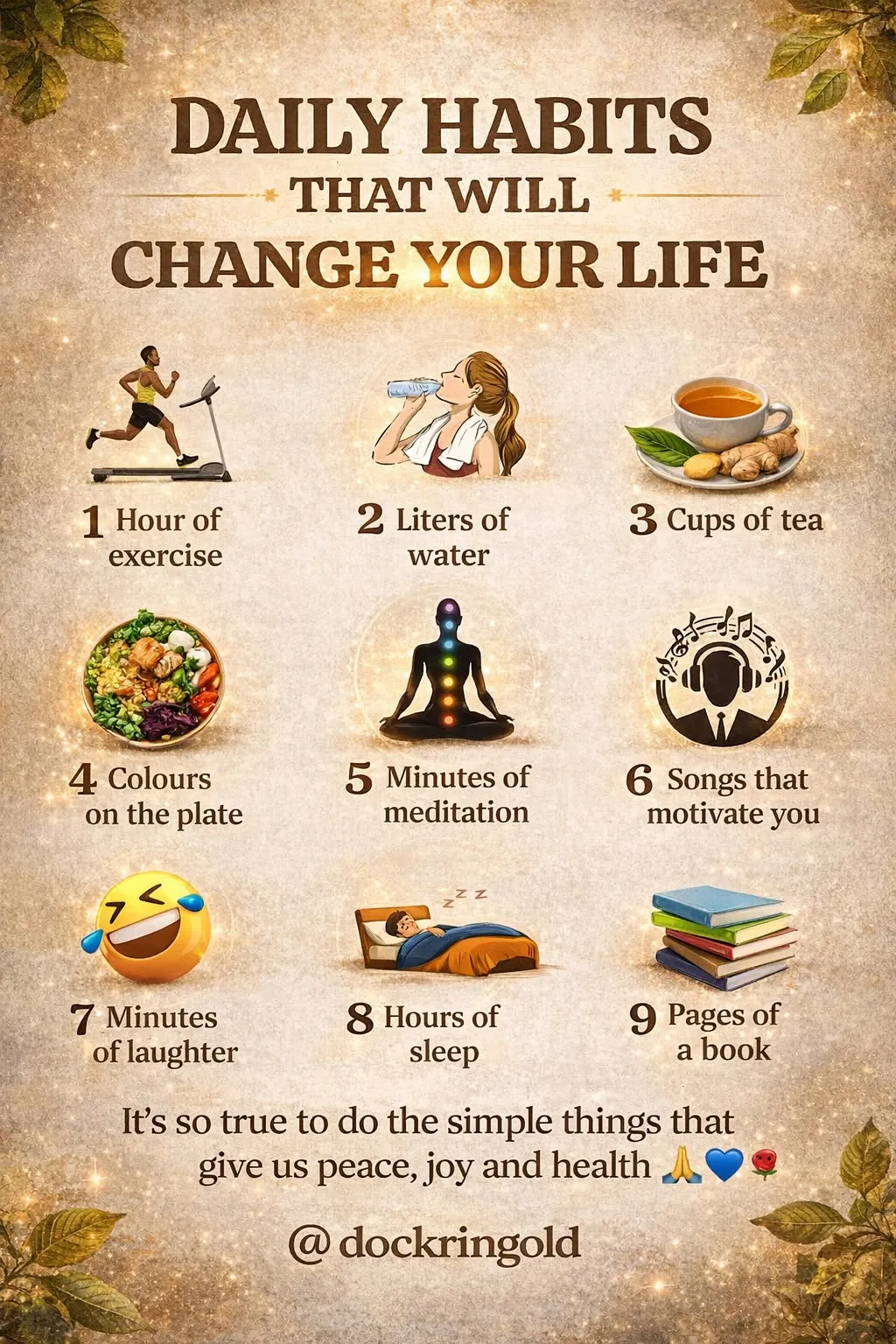
Regular physical activity ranks among the most impactful ways to enhance quality of life. Aim for at least 150 minutes of moderate exercise weekly, such as brisk walking, cycling, or swimming. Even short daily movements like stretching or taking stairs improve energy, mood, and sleep while reducing risks of chronic conditions.
Combine movement with nature exposure—walks in green spaces lower stress and boost mental clarity. Strength training twice weekly supports muscle health and bone density as we age.
Nutrition plays an equally vital role. Focus on a balanced diet rich in fruits, vegetables, whole grains, lean proteins, and healthy fats. Add more plants and fiber for gut health and sustained energy. Stay hydrated and practice mindful eating to avoid processed foods high in sugar and unhealthy fats. Small swaps, like choosing water over sugary drinks or adding vegetables to every meal, yield noticeable improvements in vitality and focus.
Quality sleep (7-9 hours nightly) serves as the foundation. Maintain consistent bedtimes, limit screens before bed, and create a relaxing routine. Good rest enhances cognitive function, emotional regulation, and immune health.
Cultivate Mental Resilience and Mindfulness
Mental well-being significantly influences overall life satisfaction. Practice daily gratitude by noting three positive things each evening—this simple habit shifts focus toward abundance and reduces negativity bias.
Incorporate mindfulness or brief meditation to manage stress. Techniques like deep breathing or present-moment awareness lower cortisol levels and improve emotional balance. Even 10 minutes daily yields benefits for focus and resilience.
Limit excessive screen time and news consumption, which can heighten anxiety. Replace some scrolling with hobbies, reading, or quiet reflection. Set meaningful goals that align with personal values—these provide purpose and motivation. Celebrate small wins to build self-esteem and momentum.
Self-compassion is key: treat yourself kindly during setbacks rather than self-criticism. This mindset fosters growth and reduces perfectionism-related stress.
Strengthen Relationships and Social Connections
Strong social ties consistently rank as one of the strongest predictors of long-term happiness and health. Invest time in quality relationships through regular check-ins, active listening, and shared experiences. Acts of kindness—helping others or expressing appreciation—boost both giver and receiver well-being.
Build community involvement, whether through volunteering, clubs, or neighborhood events. These connections combat loneliness and provide support networks during challenges.
At home, prioritize device-free family time or meaningful conversations. Nurture romantic partnerships with date nights or small gestures of affection. Healthy boundaries protect energy while allowing deeper connections.
Build Purposeful Routines and Financial Wellness
Daily structure contributes to a greater sense of control and satisfaction. Establish morning and evening routines that include movement, planning, and reflection. Protect your most productive hours for important tasks while scheduling rest and play.
Financial well-being reduces anxiety and opens opportunities. Practice mindful spending, budgeting, and saving habits. Focus on experiences over material possessions for longer-lasting happiness. Learn basic financial literacy to make informed decisions that align with life goals.
Pursue continuous learning through reading, courses, or skill-building. Engaging the mind keeps life stimulating and supports cognitive health. Contribute to causes larger than yourself—volunteering or mentoring provides profound fulfillment.
Environment and Lifestyle Adjustments
Your surroundings influence mood and behavior. Create organized, pleasant spaces with natural light, plants, and personal touches. Spend time outdoors regularly—nature exposure reduces stress and enhances creativity.
Minimize clutter to promote mental clarity. Incorporate music, scents, or lighting that uplifts your mood. Balance work with leisure to prevent burnout. Digital minimalism—curating feeds and setting boundaries—protects attention and reduces comparison.
Regular health check-ups and preventive care catch issues early, supporting long-term vitality. Moderation in alcohol and avoidance of smoking preserve energy and health.
Overcoming Challenges and Sustaining Change
Change requires patience. Start small to build momentum—focus on one habit for a few weeks before adding another. Track progress in a journal to notice improvements and stay motivated.
Expect setbacks and practice self-compassion. Surround yourself with supportive people and accountability partners. If motivation wanes, reconnect with your “why”—the deeper reasons for wanting better quality of life.
Professional support like coaching or therapy can help navigate deeper issues. Remember that happiness stems from a combination of factors—balance effort across physical, mental, and social domains.
Conclusion
Improving quality of life comes from intentional, simple changes that accumulate into profound transformations. By prioritizing movement, nutrition, sleep, mindfulness, relationships, purpose, and supportive environments, you create a foundation for greater happiness and resilience.
Start today with one actionable step—perhaps a gratitude list or evening walk. Consistency turns these habits into a lifestyle that supports long-term well-being. A happier, more fulfilling future is within reach through small daily choices. Embrace the journey with patience and curiosity, and enjoy the positive shifts that follow.