Managing personal finances is one of the most important life skills that everyone should develop. Whether a person earns a modest income or a high salary, effective financial management plays a significant role in achieving stability, reducing stress, and reaching long-term goals. Unfortunately, many people struggle with money management because they lack financial knowledge or fail to develop healthy financial habits.
Personal finance involves managing income, expenses, savings, investments, and debt in a way that supports both present needs and future goals. Proper financial planning allows individuals to prepare for emergencies, achieve important milestones, and enjoy greater peace of mind. In today’s world, where living costs continue to rise and financial responsibilities become increasingly complex, understanding how to manage personal finances has become more important than ever.
This guide explains practical strategies that can help individuals take control of their money and build a strong financial foundation for the future.
Understand Your Financial Situation
The first step in managing personal finances is understanding your current financial condition. Many people make financial decisions without having a clear picture of their income, expenses, savings, and debts.
Taking time to review your financial situation helps identify areas where improvements can be made. Knowing how much money comes in and where it goes each month provides valuable insights into spending habits and financial priorities.
Creating a complete overview of your finances makes it easier to set goals and make informed decisions about saving, spending, and investing.
Create a Realistic Budget
A budget is one of the most effective tools for managing money. It acts as a financial roadmap that helps individuals control spending and ensure that their income is being used wisely.
A realistic budget includes essential expenses such as housing, food, transportation, and utilities while also allocating money for savings and personal goals. Tracking spending habits can reveal unnecessary expenses and opportunities to save more effectively.
Budgeting is not about restricting enjoyment but about making intentional decisions that support financial well-being and long-term success.
Differentiate Between Needs and Wants
One of the biggest challenges in personal finance is distinguishing between needs and wants. Needs are essential expenses required for daily living, while wants are optional purchases that provide comfort or entertainment.
Understanding this difference helps individuals make better spending decisions and avoid unnecessary financial strain. Prioritizing essential expenses and limiting impulsive purchases can improve financial stability and increase the ability to save.
Making thoughtful choices about spending often leads to healthier financial habits and better money management.
Build an Emergency Fund
Unexpected situations such as medical emergencies, job loss, or major repairs can create significant financial stress. An emergency fund provides financial protection during difficult times and reduces dependence on loans or credit.
Financial experts generally recommend setting aside money regularly to create a reserve that can cover essential expenses during emergencies. Building an emergency fund takes time, but even small contributions can grow into meaningful financial security.
Having savings for unexpected events provides peace of mind and increases overall financial resilience.
Develop a Habit of Saving Money
Saving money is one of the most important aspects of personal financial management. Regular savings help individuals prepare for future goals such as education, home ownership, travel, or retirement.
Developing a consistent savings habit does not necessarily require a large income. Setting aside even a small portion of earnings each month can lead to significant financial progress over time.
Automating savings and treating them as a regular expense can make the process easier and encourage long-term financial discipline.
Manage Debt Responsibly
Debt can be useful in certain situations, but excessive or poorly managed debt can create serious financial difficulties. Understanding how to manage borrowing responsibly is essential for maintaining financial health.
Paying bills on time and avoiding unnecessary borrowing can help reduce financial stress and improve overall stability. Prioritizing high-interest debt and creating a repayment plan can make debt management more effective.
Responsible borrowing allows individuals to maintain better control over their finances and avoid long-term financial challenges.
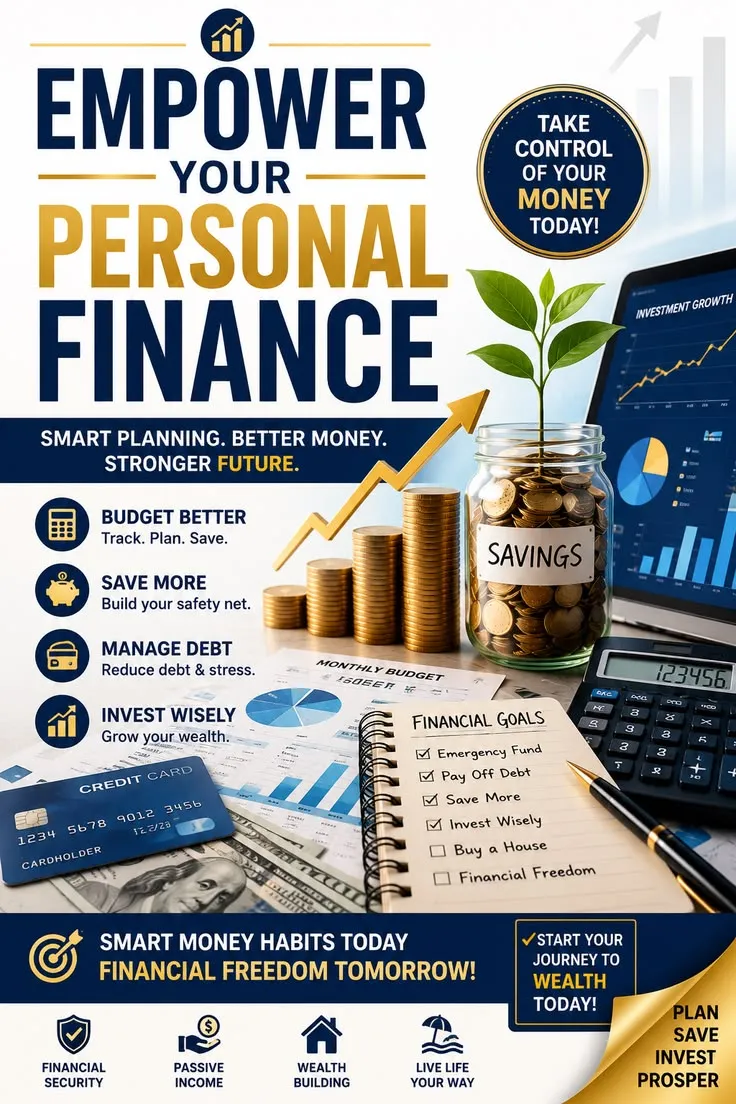
Set Clear Financial Goals
Financial goals provide direction and motivation for managing money effectively. Goals may include saving for a house, starting a business, paying for education, or planning for retirement.
Setting specific and realistic goals helps individuals make informed financial decisions and stay focused on long-term priorities. Breaking larger goals into smaller, manageable steps can make them easier to achieve.
Clear financial objectives also encourage better spending habits and promote consistent progress toward financial success.
Learn the Importance of Investing
Saving money is essential, but investing can help individuals grow their wealth over time. Investments have the potential to generate returns that may exceed those of traditional savings accounts.
Understanding basic investment concepts and learning about different investment options can support long-term financial planning. Investing involves risks, and making informed decisions is important for achieving financial goals.
Starting early and maintaining a long-term perspective can significantly contribute to building financial security and wealth.
Plan for Retirement Early
Retirement planning is an important part of personal finance that is often overlooked, especially by younger individuals. However, starting early provides more time to build savings and benefit from long-term financial growth.
Regular contributions toward retirement savings can create greater financial independence in later years and reduce future financial stress. Planning ahead also allows individuals to maintain their desired lifestyle after leaving the workforce.
Preparing for retirement is a long-term commitment that requires consistency and thoughtful financial decision-making.
Track and Monitor Your Spending
Many people underestimate how much they spend each month. Small expenses can accumulate over time and significantly affect financial health.
Regularly tracking expenses provides a better understanding of spending patterns and highlights areas where adjustments may be necessary. Monitoring financial activities can also help prevent overspending and support better budgeting decisions.
Technology and financial management tools have made it easier than ever to track income and expenses and stay organized.
Improve Financial Literacy
Financial literacy is the ability to understand and effectively manage various aspects of personal finance. Increasing financial knowledge can lead to better decision-making and improved financial outcomes.
Learning about budgeting, saving, investing, taxes, and debt management helps individuals make informed choices and avoid common financial mistakes. Reading financial books, attending educational programs, and seeking reliable information can contribute to greater financial confidence.
The more individuals understand personal finance, the better prepared they become to manage their money successfully.
Avoid Lifestyle Inflation
As income increases, many people gradually increase their spending on non-essential items and luxuries. This behavior, known as lifestyle inflation, can prevent individuals from building savings and achieving long-term financial goals.
Maintaining a balanced lifestyle and increasing savings as income grows can lead to greater financial security. Being mindful of spending habits and avoiding unnecessary expenses helps ensure that additional income contributes to long-term wealth rather than short-term consumption.
Practicing financial discipline is an important part of sustainable money management.
Protect Yourself With Financial Planning
Personal finance is not only about earning and saving money but also about preparing for uncertainties and future responsibilities. Financial planning helps individuals make informed decisions and protect themselves from unexpected situations.
Creating a comprehensive financial plan that includes budgeting, saving, investing, and risk management can improve overall financial well-being. Reviewing and updating financial plans regularly ensures that they remain aligned with changing goals and circumstances.
Thoughtful financial planning provides confidence and supports long-term financial stability.
The Benefits of Good Financial Management
Effective personal finance management offers numerous benefits beyond financial security. People who manage their money well often experience lower stress levels, greater confidence, and increased freedom to pursue personal goals.
Financial stability also allows individuals to respond better to unexpected challenges and make important life decisions with greater confidence. Building healthy financial habits can improve both present and future quality of life.
Managing money responsibly creates opportunities for growth, independence, and long-term success.
Conclusion
Personal finance management is an essential life skill that affects every aspect of financial well-being. Understanding income and expenses, creating a budget, building savings, managing debt, and planning for the future are all important steps toward achieving financial stability.
Developing good financial habits requires patience, discipline, and continuous learning, but the rewards can be significant. Effective money management reduces stress, increases financial confidence, and creates opportunities to achieve both short-term and long-term goals.