The factional conflict within the Trinamool Congress has reached the Supreme Court. On September 18, 2026, the camp led by Mamata Banerjee filed a petition challenging the Election Commission’s interim decision to freeze the party’s official name and its long-standing “Flowers and Grass” election symbol. The move comes just days before the West Bengal Assembly bypolls scheduled for October 6 and marks a significant escalation in the battle for control of the party’s identity.
Election Commission’s Interim Order
On September 17, the Election Commission issued an interim order after examining rival claims submitted by two groups within the All India Trinamool Congress. One group is led by Mamata Banerjee, the party’s founder and former West Bengal Chief Minister. The other is associated with Ritabrata Banerjee and Arup Roy. The Commission concluded that both sides were staking claim to be the authentic party, making a substantive determination necessary under Paragraph 15 of the Election Symbols (Reservation and Allotment) Order, 1968.
Given the limited time available before the bypolls in Nandigram and Rejinagar, the Commission decided that neither faction would be permitted to use the name “All India Trinamool Congress” or the reserved “Flowers and Grass” symbol for the upcoming contests. Both groups were directed to submit three preferred alternative names and three free symbols by the morning of September 18. The interim arrangement was intended to place the rival camps on an equal footing while the larger dispute remained pending.
New Names and Symbols Allotted
On September 18, the Election Commission allotted temporary identities for the bypolls. The Mamata Banerjee-led faction received the name “Mamata All India Trinamool Congress” and the “Football Player” symbol. The rival group was allotted the name “Democratic Trinamool Congress” and the “Envelope” symbol. These allocations apply only to the current by-elections and do not constitute a final decision on which faction, if either, is entitled to the original party name and reserved symbol.
The Commission clarified that the arrangement would continue until a final determination of the dispute is made. Both factions will be treated as recognised political parties in the states where the original party held recognition for the limited purpose of these elections.
Grounds Raised in the Supreme Court Petition
The petition filed by Mamata Banerjee’s camp questions the basis of the Election Commission’s interim decision. It argues that the Commission relied heavily on statements made by rebel legislators who themselves face disqualification proceedings under the Tenth Schedule of the Constitution, which deals with anti-defection. The plea contends that the Commission did not comprehensively examine the party’s organisational structure and internal processes before freezing the name and symbol.
A separate petition has also been filed highlighting the delay in the disqualification proceedings pending before the West Bengal Assembly Speaker against legislators associated with the rebel faction. The Mamata camp maintains that these legislators should not be treated as representing the party while the disqualification cases remain unresolved.
Background of the Factional Dispute
The internal conflict within the Trinamool Congress intensified earlier in 2026. Rival groups submitted competing lists of office-bearers and made conflicting claims about the legitimacy of the National Working Committee. One side argued that the committee’s tenure had expired and that a special session had reconstituted the leadership. The other side rejected that process and asserted continuity under the existing leadership.
The dispute involves questions of organisational authority, the validity of internal meetings, and the numerical strength of legislators and office-bearers supporting each camp. The Election Commission is required to examine these factors under the framework established by the Symbols Order and guided by judicial precedents on party splits.
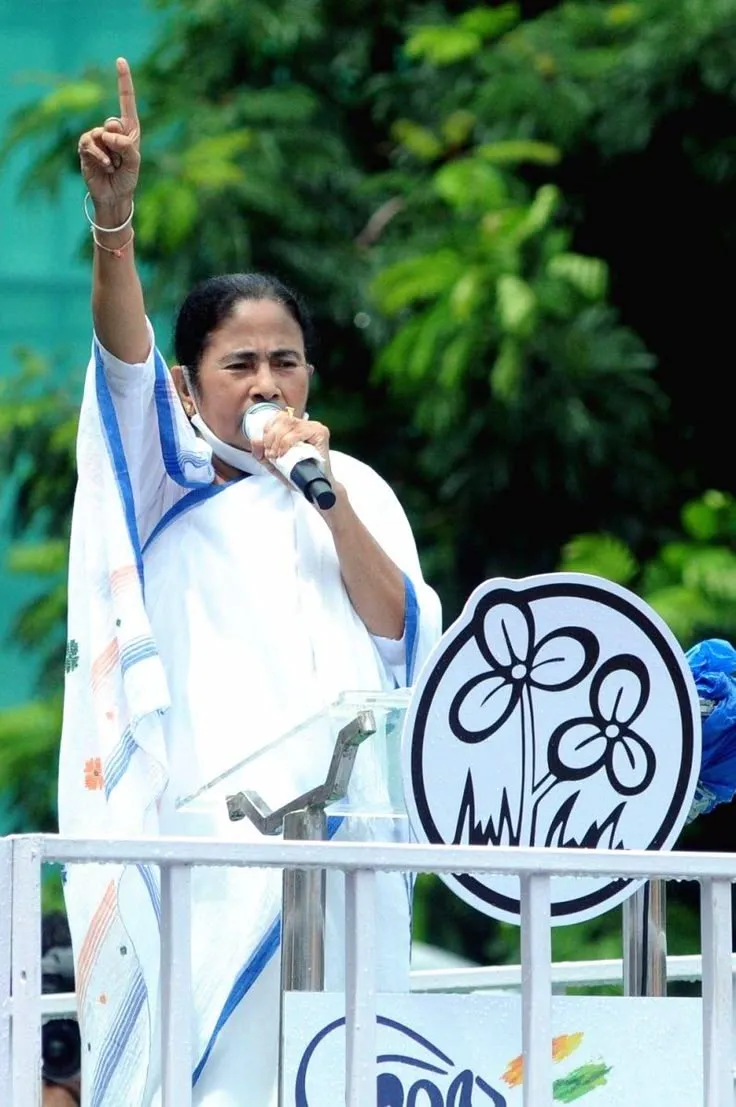
The freezing of the name and symbol is particularly significant because the “Flowers and Grass” emblem has been closely associated with the Trinamool Congress since its formation in 1998, when Mamata Banerjee broke away from the Congress. For nearly three decades, the symbol has appeared on ballots, campaign material and party flags across West Bengal and other states where the party holds recognition.
Implications for the Upcoming Bypolls
The October 6 bypolls in Nandigram and Rejinagar will now be contested under the newly allotted names and symbols. This is the first time since the party’s inception that the original “All India Trinamool Congress” name and “Flowers and Grass” symbol will not appear on electronic voting machines in West Bengal for these seats. Candidates fielded by the two factions will appear under their respective interim identities, subject to fulfilment of other nomination requirements.
The temporary arrangement is intended to ensure that the electoral process is not disrupted and that voters are not left without choices while the larger dispute is adjudicated. However, the change in nomenclature and symbols is expected to create some confusion among voters familiar with the traditional party identity.
Larger Questions of Party Identity and Federal Institutions
The case raises familiar questions about how the Election Commission balances the need for timely electoral administration with the principles of fair determination in cases of party splits. Previous high-profile disputes involving other parties have shown that the Commission examines organisational strength, legislative support and adherence to the party’s constitution and objectives. The final determination in this matter will be closely watched for its approach to these tests.
The Supreme Court petition seeks to challenge the interim freeze itself and the manner in which the Commission arrived at its decision. The outcome of the legal challenge could influence the immediate bypolls or set the stage for further proceedings once the Election Commission completes its substantive inquiry under the Symbols Order.
Political Context in West Bengal
The factional battle has unfolded against the backdrop of a changed political landscape in West Bengal. The Trinamool Congress, which governed the state for 15 years, is now navigating an internal challenge while preparing for by-elections. Both factions continue to assert that they represent the true continuity of the party founded by Mamata Banerjee.
The Congress party has publicly criticised the Election Commission’s decision, describing it as an unfair intervention. The rival TMC faction has maintained that its claims rest on organisational procedures and majority support among legislators. The dispute remains fluid, with multiple legal and political tracks running simultaneously.
What Lies Ahead
The Supreme Court will examine the petition challenging the freeze. Meanwhile, the Election Commission continues to hold the substantive dispute for final determination. The October 6 bypolls will proceed under the interim names and symbols already allotted. The combination of judicial scrutiny and administrative proceedings will shape the next phase of the conflict over the Trinamool Congress’s identity.
For voters in Nandigram and Rejinagar, the immediate reality is a contest between two groups that once operated under a single banner. For the party itself, the battle over its name and symbol has become a defining test of organisational legitimacy nearly three decades after its founding. The coming weeks will determine whether the freeze remains in place, whether the original identity is restored to one faction, or whether the dispute leads to a more permanent realignment.
Read more – todaybestoffers.info