Managing money effectively is one of the most important skills for achieving long-term financial success. While many people focus on earning more income, true financial stability depends on how well that income is managed. This is where personal cash flow management becomes essential. It helps individuals understand how money enters and leaves their finances, making it easier to save, invest, reduce debt, and achieve financial goals.
Personal cash flow management is not limited to businesses or financial experts. Every individual, whether employed, self-employed, or running a business, can benefit from monitoring income and expenses. By understanding spending habits and creating a structured financial plan, people can make informed decisions and avoid unnecessary financial stress.
This guide explains personal cash flow management in simple language, covering its importance, key components, practical strategies, common mistakes, and long-term benefits. Whether you are just beginning your financial journey or looking to improve your money management skills, understanding cash flow is the first step toward building lasting financial security.
What Is Personal Cash Flow Management?
Personal cash flow management refers to the process of tracking, analysing, and controlling the money that comes into and goes out of your personal finances. Positive cash flow occurs when your income is greater than your expenses, allowing you to save, invest, and prepare for future financial needs. Negative cash flow happens when spending consistently exceeds income, which may eventually lead to financial difficulties and increased debt.
Managing cash flow involves understanding all income sources, including salaries, business income, rental earnings, and investment returns, while also keeping track of regular expenses such as housing, groceries, transportation, insurance, education, healthcare, and entertainment. Having a clear picture of these financial movements enables individuals to make smarter decisions and maintain better control over their finances.
Why Personal Cash Flow Management Is Important
Effective cash flow management creates a strong financial foundation. It helps individuals avoid living from paycheck to paycheck and reduces the risk of financial emergencies becoming overwhelming. When income and expenses are monitored regularly, it becomes easier to identify unnecessary spending, increase savings, and work toward long-term financial goals.
Proper cash flow management also improves financial confidence. People who understand where their money goes each month are generally better prepared to make important financial decisions, such as purchasing a home, planning higher education, or preparing for retirement. In addition, maintaining healthy cash flow provides greater flexibility when unexpected expenses arise.
Understanding Income and Expenses
The first step in managing personal cash flow is understanding your income and expenses. Income includes every source of money you receive regularly, such as salary, freelance work, bonuses, dividends, rental income, or business profits. Having an accurate record of monthly income provides the starting point for building a financial plan.
Expenses represent the money spent on daily living and personal needs. These can be divided into fixed expenses, such as rent, mortgage payments, insurance premiums, and loan repayments, and variable expenses like groceries, transportation, entertainment, dining out, and shopping. Carefully reviewing expenses often reveals opportunities to reduce unnecessary spending and improve overall financial health.
How to Create a Personal Cash Flow Plan
Creating a personal cash flow plan begins with recording all sources of income and every monthly expense. This process helps identify spending patterns and highlights areas where improvements can be made. Once income and expenses are clearly understood, individuals can create a realistic monthly budget that prioritises essential needs while allocating money toward savings and investments.
A well-structured cash flow plan should also include financial goals. Whether the objective is building an emergency fund, paying off debt, purchasing a home, or planning retirement, connecting daily financial decisions with long-term goals creates greater motivation and discipline. Reviewing the cash flow plan regularly ensures it remains aligned with changing financial circumstances and personal priorities.
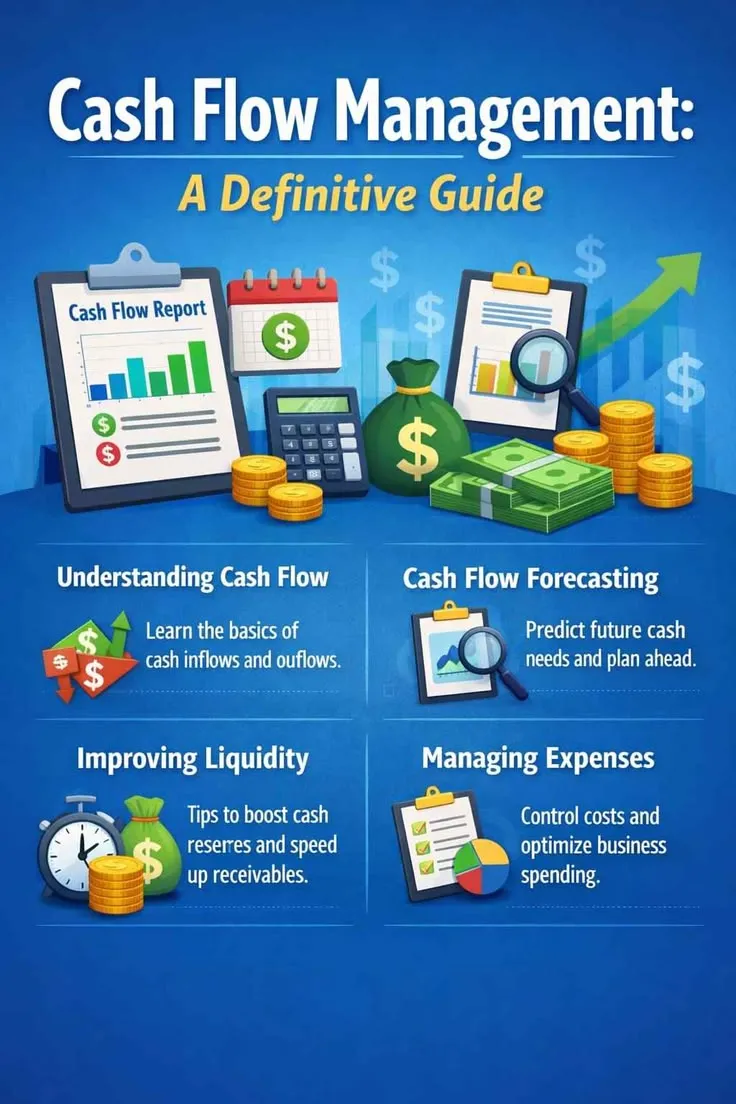
The Importance of Budgeting in Cash Flow Management
Budgeting is one of the most effective tools for managing personal cash flow. A budget provides a clear framework for allocating income across essential expenses, discretionary spending, savings, and investments. Rather than restricting financial freedom, budgeting helps individuals spend intentionally and avoid unnecessary financial pressure.
A successful budget should be flexible enough to accommodate occasional unexpected expenses while maintaining focus on long-term objectives. Regularly comparing actual spending with the planned budget allows individuals to make timely adjustments and maintain healthy financial habits. Consistent budgeting often leads to improved savings, reduced debt, and greater financial stability over time.
Building an Emergency Fund
One of the key objectives of good cash flow management is creating an emergency fund. Unexpected situations such as medical emergencies, job loss, vehicle repairs, or urgent home maintenance can disrupt financial stability if no savings are available. An emergency fund acts as a financial safety net, reducing the need to rely on credit cards or loans during difficult times.
Building an emergency fund requires consistent saving over time. Setting aside a small portion of monthly income can gradually create a reserve that provides peace of mind and financial security. Keeping emergency savings in an easily accessible account ensures funds are available whenever unexpected situations arise.
Managing Debt Wisely
Debt management is closely connected to healthy cash flow. Excessive debt repayments can consume a significant portion of monthly income, limiting the ability to save or invest. Managing debt responsibly involves understanding repayment obligations, making timely payments, and avoiding unnecessary borrowing whenever possible.
Reducing high-interest debt can improve monthly cash flow by lowering financial commitments. As debt decreases, individuals often have more disposable income available for wealth-building activities such as investing or increasing emergency savings. Responsible borrowing supports financial stability, while uncontrolled debt can quickly create long-term financial challenges.
Saving and Investing for Future Financial Success
Managing cash flow effectively creates opportunities for consistent saving and investing. Saving provides financial security for short-term goals and unexpected expenses, while investing supports long-term wealth creation by allowing money to grow over time.
Even modest monthly contributions can produce meaningful results when maintained consistently. Before investing, individuals should understand their financial goals, investment timeline, and risk tolerance. A balanced approach that combines regular savings with suitable long-term investments helps build financial resilience and supports future financial independence.
Common Cash Flow Management Mistakes to Avoid
Many people experience financial difficulties because of avoidable cash flow mistakes. One of the most common errors is failing to track expenses, making it difficult to understand where money is being spent. Another frequent mistake is spending beyond available income, leading to recurring debt and financial stress.
Some individuals also neglect emergency savings, leaving themselves unprepared for unexpected situations. Others delay investing, reducing the long-term benefits of compound growth. Making financial decisions based solely on short-term desires instead of long-term objectives can also weaken overall financial stability. Recognising these common mistakes allows individuals to develop healthier financial habits and improve their overall money management skills.
Benefits of Effective Personal Cash Flow Management
Strong cash flow management offers numerous long-term benefits beyond simply balancing monthly finances. It reduces financial stress by creating greater control over money and increasing preparedness for unexpected expenses. Individuals with healthy cash flow often enjoy greater flexibility when making major life decisions, such as changing careers, starting a business, or purchasing property.
Effective cash flow management also supports wealth creation by enabling consistent saving and investing. Over time, disciplined financial habits improve financial confidence, strengthen decision-making, and create opportunities for long-term financial independence. Perhaps most importantly, maintaining positive cash flow allows individuals to focus on achieving personal goals rather than constantly worrying about financial challenges.
Conclusion
Personal cash flow management is one of the most valuable financial skills anyone can develop. By understanding income, controlling expenses, following a realistic budget, reducing unnecessary debt, building emergency savings, and investing consistently, individuals can create a strong financial foundation for the future.
Financial success is not determined solely by how much money a person earns but by how effectively that money is managed. Small, consistent improvements in daily financial habits can produce significant long-term results. Whether your goal is financial security, home ownership, retirement planning, or overall peace of mind, mastering personal cash flow management provides the roadmap to achieving lasting financial success.