Maharashtra’s ruling Mahayuti alliance is witnessing a deliberate push to repair internal relations and project unity. Chief Minister Devendra Fadnavis has taken the lead in convening coordination meetings with alliance partners, signalling that the Bharatiya Janata Party is prioritising coalition cohesion at a time of rising political pressure from the opposition and visible discontent among younger voters.
A Coordination Meeting to Rebuild Trust
Fadnavis recently hosted a coordination committee meeting at his official residence that was attended by Deputy Chief Ministers Eknath Shinde of the Shiv Sena and Sunetra Pawar of the Nationalist Congress Party. The discussion focused on long-pending issues that had created friction within the alliance. Sources familiar with the deliberations indicated that the BJP sought to reassure its partners that decisions would be taken collectively and that commitments made to the alliance and to voters would be fulfilled.
Among the concrete steps announced was a commitment to complete appointments to approximately 171 state-run corporations within a month. These posts had remained a persistent source of disagreement. The distribution is expected to reflect the legislative strength of the partner parties, with a reported formula favouring the BJP while still accommodating the Shiv Sena and NCP. The three parties also agreed that all local body elections, including panchayat polls, would be contested jointly. Upcoming Legislative Council elections for teachers’ and graduates’ constituencies are likewise to be fought as a united front.
The Political Context Behind the Outreach
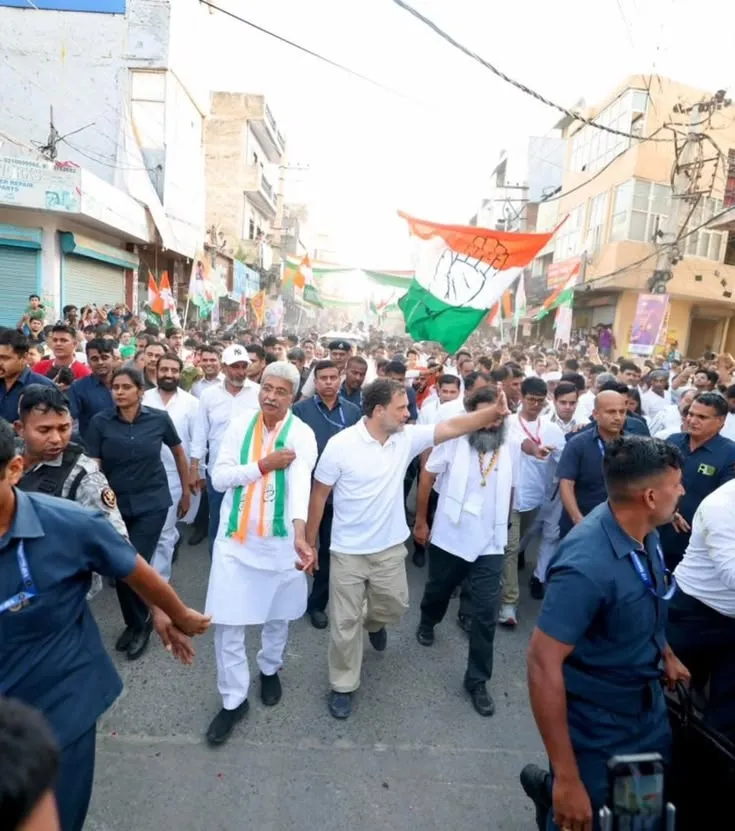
The timing of these efforts is significant. Reports link the renewed emphasis on alliance management to the growing visibility of opposition campaigns and youth-led mobilisations. Leader of the Opposition Rahul Gandhi’s “Chhatron Ki Goonj” programme in Pune drew a strong response from students, prompting observations within the BJP that his appeal among the younger generation could no longer be ignored. Parallel campaigns associated with groups such as the Cockroach Janta Party have amplified demands for institutional accountability and highlighted dissatisfaction on issues ranging from education to governance.
This combination of opposition outreach and street-level youth discontent appears to have encouraged a strategic reassessment. While the BJP had earlier given indications of preparing for a more independent electoral approach in the future, the current priority has shifted toward preserving Mahayuti solidarity. Maintaining a united front is seen as a way to navigate the immediate political challenges without opening space for the opposition to exploit internal differences.
Addressing Specific Points of Friction
Beyond corporation appointments, the coordination exercise has also sought to resolve other administrative irritants. Delayed appointments of Guardian Ministers in certain districts, including Raigad and Nashik, have been flagged for early resolution. The distribution of District Planning and Development Committee funds, another recurring point of contention, has been discussed with an eye toward a clearer and more equitable formula that gives local legislators a defined role in development spending.
Alliance leaders have also been cautioned against public criticism of one another’s parties, MLAs, MPs or senior leaders. The emphasis on collective decision-making and mutual restraint is intended to reduce the perception of constant internal bargaining and present a more stable face of governance.
Numerical Strength Versus Political Necessity
On paper, the BJP remains the dominant partner. With a substantial number of seats in the Assembly, it can approach or cross the majority mark with the support of smaller parties and independents even without the full strength of its allies. Yet political calculations in Maharashtra rarely rest on numbers alone. The Shiv Sena faction led by Eknath Shinde continues to provide a regional and Marathi identity that broadens the alliance’s appeal. The NCP component under Sunetra Pawar brings its own organisational network and social base.
Keeping both partners invested in the government helps the BJP avoid the risks of isolation and the appearance of unilateral dominance. It also allows the ruling side to share the political load at a moment when opposition narratives and youth discontent are gaining traction. The decision to contest local body and Legislative Council polls together reinforces this logic by binding the partners into a common electoral project.
A Response to Changing Political Weather
The outreach led by Fadnavis reflects an awareness that governance and electoral politics in the state are being shaped by new pressures. Student mobilisations and digital campaigns have introduced a layer of unpredictability that traditional party structures are still learning to address. In this environment, visible internal discord within the ruling alliance could become a liability.
By moving quickly to settle appointment disputes, clarify fund-sharing arrangements and commit to joint electoral contests, the BJP is attempting to close ranks before these pressures intensify further. The message to allies is that their concerns are being heard and that power-sharing will be calibrated according to strength rather than left unresolved. The message to the wider public is that the government remains focused on coordinated functioning rather than internal competition.
Looking Ahead
Whether these steps produce lasting cohesion will depend on consistent follow-through. Completing the corporation appointments on schedule, implementing the agreed fund formula, and maintaining discipline in public messaging will be closely watched by both allies and opponents. Regular coordination meetings, if sustained, could provide a structured channel for resolving future differences before they escalate.
For now, the Maharashtra BJP’s effort to keep the Mahayuti united represents a pragmatic adjustment. Faced with opposition momentum and the visible restiveness of a younger generation of voters, the ruling side has chosen to prioritise alliance management over any immediate push toward greater autonomy. In a state where coalition arithmetic has repeatedly shaped political outcomes, the decision to mend fences and project collective strength is both a defensive measure and a recognition of the changed political climate.
Read more – toolsbyalaikas.com