Introduction
Achieving work-life balance has become essential in today’s demanding professional landscape. Constant connectivity and high expectations often blur boundaries between career and personal life, leading to burnout, reduced productivity, and diminished well-being. Effective strategies help individuals reclaim control, fostering both professional fulfillment and personal satisfaction.
This article explores proven approaches for creating harmony between work responsibilities and life priorities. By implementing these practices, professionals can enhance performance, relationships, and overall health while advancing their careers sustainably.
Set Clear Boundaries Between Work and Personal Time
Boundaries form the foundation of balance. Define specific work hours and communicate them clearly to colleagues and supervisors. Avoid checking emails or taking calls during personal time unless absolutely necessary.
Designate a workspace separate from living areas when possible, signaling the end of the workday by closing the door or shutting down devices. Technology tools like auto-replies or focus modes reinforce these limits.
Respect personal time for family, hobbies, and rest. Learning to say “no” to non-essential requests protects energy and prevents overload. Consistent boundaries reduce stress and improve focus during work hours.
Prioritize Time Management and Productivity Techniques
Efficient work practices free up personal time. Use techniques like time blocking to dedicate specific periods to tasks, minimizing distractions. The Pomodoro method—working in focused 25-minute intervals followed by short breaks—maintains concentration while preventing fatigue.
Create daily to-do lists prioritizing high-impact activities. Delegate or eliminate non-essential tasks. Regular reviews of workflows identify inefficiencies for continuous improvement.
These methods boost output within limited hours, creating space for life outside work without compromising results.
Incorporate Regular Breaks and Self-Care Routines
Breaks recharge mental and physical energy. Schedule short pauses for stretching, walking, or mindfulness throughout the day. Longer midday breaks for meals or exercise enhance afternoon performance.
Prioritize sleep, nutrition, and physical activity as non-negotiable elements of balance. Even brief daily exercise reduces stress hormones and improves mood. Mindfulness practices like meditation build resilience against workplace pressures.
Self-care is not indulgence but essential maintenance supporting sustained productivity and preventing burnout.
Leverage Flexibility and Technology Wisely
Modern work arrangements offer greater control. Negotiate flexible hours or remote options when feasible. Use technology to streamline tasks rather than extend availability.
Set device boundaries—designate times for disconnection to protect personal relationships and rest. Automation tools handle routine communications, freeing mental space.
Flexibility requires discipline to maintain structure. Clear expectations with teams ensure accountability while honoring personal needs.
Nurture Support Networks and Seek Help When Needed
Strong relationships buffer work pressures. Invest time in family and friends for emotional support and perspective. Professional networks provide career guidance and mentorship.
Discuss workload concerns with supervisors proactively. Employee assistance programs or counseling offer confidential support for challenges.
Building community prevents isolation while sharing strategies for better balance. Asking for help demonstrates strength, not weakness.
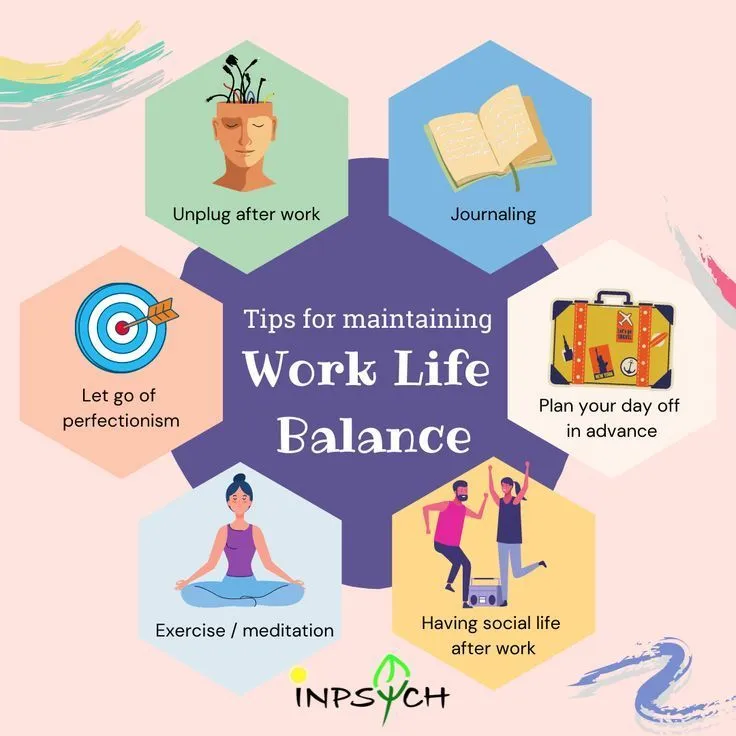
Align Work with Personal Values and Goals
Purposeful careers enhance satisfaction. Regularly assess whether current roles align with core values and long-term aspirations. Small adjustments or major transitions may be necessary.
Set meaningful goals integrating professional and personal aspirations. Celebrate achievements across both domains. This alignment reduces resentment and increases motivation.
Periodic reflection ensures ongoing harmony as circumstances evolve.
Monitor Progress and Adjust Strategies Regularly
Balance requires maintenance. Track energy levels, satisfaction, and productivity through simple journals or apps. Identify patterns indicating imbalance for timely corrections.
Experiment with different approaches, refining based on effectiveness. Life changes necessitate strategy updates. Annual reviews formalize this process.
Continuous adaptation keeps strategies relevant and effective long-term.
Conclusion
Work-life balance strategies empower professionals to thrive rather than merely survive demanding careers. Through boundaries, efficient practices, self-care, flexibility, support networks, value alignment, and regular assessment, sustainable harmony becomes achievable.
Implementing these approaches gradually builds momentum and lasting change. Organizations increasingly recognize balance benefits for retention and performance, supporting individual efforts.
Ultimately, balanced living enhances creativity, relationships, and well-being while advancing careers meaningfully. Prioritizing these strategies creates fulfilling professional journeys alongside rich personal lives.